
Publish date: 10 April 2026
April is Stress Awareness month and its purpose is to highlight the impact of stress, encouraging individuals, each other and workplaces to act on mental health, with a specific focus on the “BeTheChange” movement.
This month’s theme is about:
- Goal: To move from simply knowing about stress to implementing positive change in daily habits, work environments, and mental health approaches
- Focus: Addressing the high levels of stress in the UK, with studies showing that a significant majority of adults have felt overwhelmed or unable to cope
- Actions: Encouraging self-care, building resilience, and open conversations about stress to remove stigma
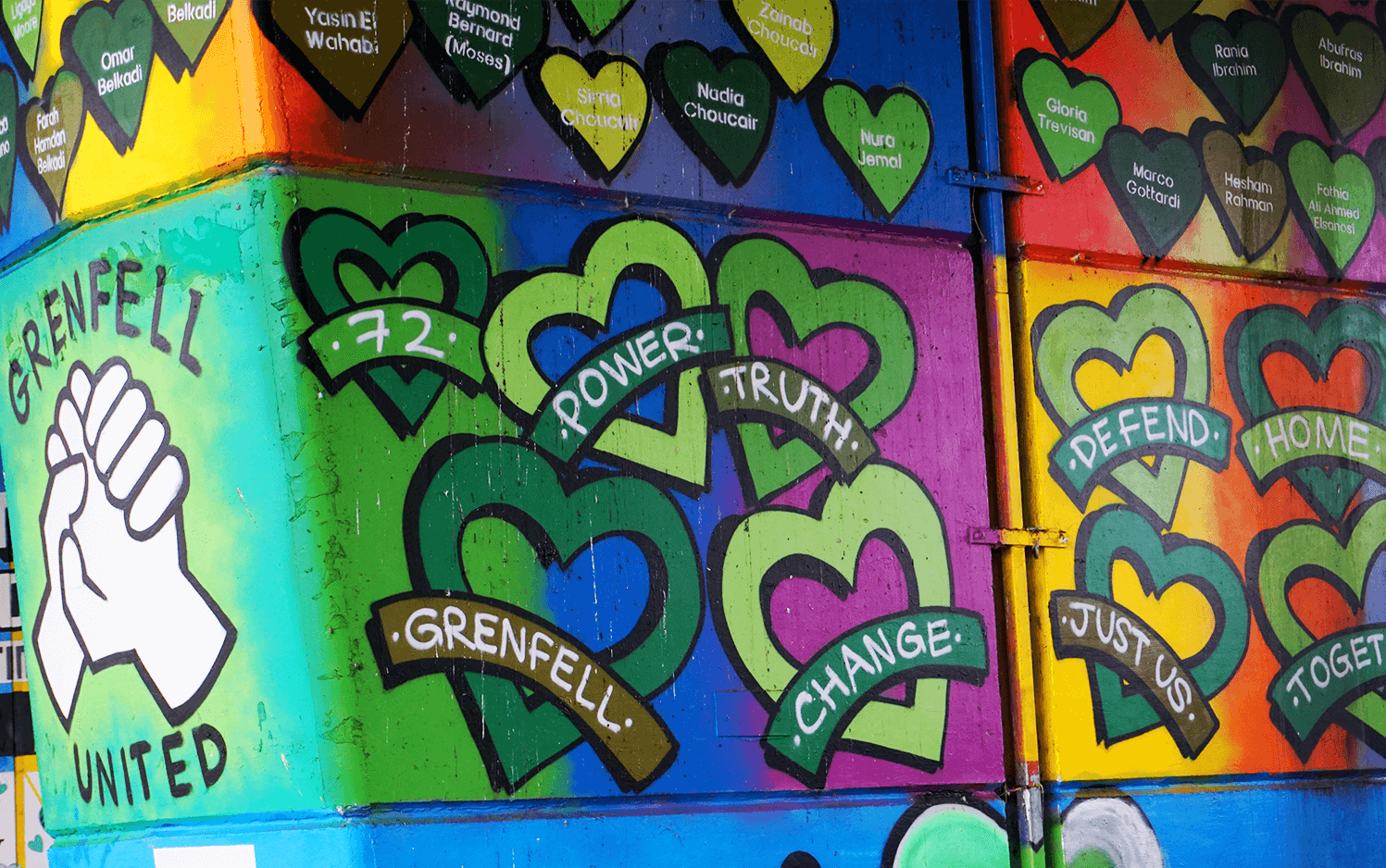
For our Grenfell impacted community we recognise that the continued media coverage will bring up difficult feelings and memories and have had a triggering impact and this can have a devasting impact on someone and that it can have life changing repercussions for them as well as their, family and friends.
It’s important to recognise that taking even the smallest of steps towards self-care and stress reduction can yield a significant improvement in your mental health over time. Managing stress is an essential component of a healthy lifestyle. Knowing how to manage stress can improve mental and physical well-being as well as minimise exacerbation of health-related issues.
It’s critical to recognise what stress and anxiety look like, take steps to build resilience, and know where to go for help.
We encourage everyone to focus on making small manageable adjustments to your daily routine. While the impact of small actions on their own may seem little, the cumulative effects of these habits can end up being profound!
There are a few small steps we can all take to make big changes:
- Connect with someone: check in with your support network, a sense of belonging and community can help reduce feelings of loneliness. A simple “Are you okay?” “Are they okay?” can mean the world to someone
- Prioritise sleep: Take small steps to improve your bedtime routine. If able, wind down before bed by minimising your screen time, make sure your bedroom is a tech free zone, create a clean and restful environment, you may also find it helpful to jot down what’s on your mind and set it aside for tomorrow and where possible avoid caffeine after 4pm
- Move in your own way: Get moving in a way that helps you. This could be walking, running, yoga, swimming, stretches and also spending some time doing some gardening. Move in a way that you’ll enjoy to get those endorphins going and to let off some steam
- Spend time in nature: There’s nothing better than getting out in nature and getting some fresh air. This could be from eating your lunch outside to taking a short walk after work to clear your mind
- Breathe deep: Your breath is a powerful tool to help with stress reduction and relaxation. One of the most effective ways that can help is to take deep breaths to shift into relaxation mode
- Practice mindfulness: Practising mindfulness allows you to focus on the here and now. It aids self-awareness and helps you practice emotional regulation and control. You can practice mindfulness during a designated session or whilst participating in an activity such as a nature walk.
We in the NHS are also here to help
If you are affected by Grenfell, the NHS Grenfell Health and Wellbeing Service, is here for you and your family. To access support please call 020 8637 6279 (every day 9am to 6pm) or 0800 0234 650 (overnight: from 6pm). For more information go to: grenfellwellbeing.cnwl.nhs.uk/
For emotional support, health and wellbeing support, and urgent mental health support, call 0800 0234 650, 24 hours a day, seven days a week.
For further information about local health support go to: www.rbkc.gov.uk/grenfell-response-and-recovery/support/nhs-support